Cheese Mascot Riding a Skateboard Design Graphics
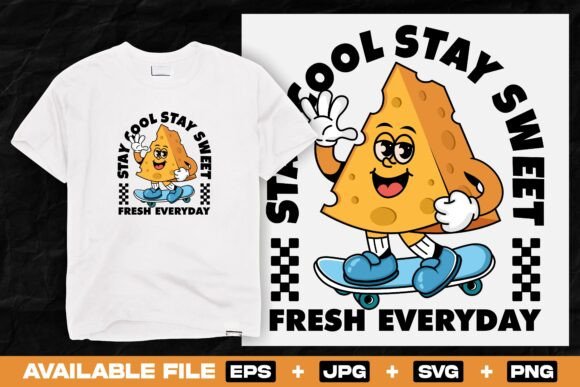
The Cheese Mascot Riding a Skateboard Design is a vibrant and eye-catching graphic design asset that brings a playful, retro vibe to any content project. With its bold visuals and whimsical style, it’s ideal for brands looking to inject personality into their editorial design, web design, or digital product offerings.
First Impressions: A Playful Visual Identity
As soon as you lay eyes on the Cheese Mascot Riding a Skateboard Design, it immediately sets a fun and energetic tone. The retro cheese cartoon character riding a skateboard feels like a visual punchline—perfect for content that aims to be engaging, approachable, and memorable. This design asset works best in niches that embrace creativity, such as food-themed blogs, streetwear fashion, or lifestyle content with a modern twist.
Its playful nature makes it a strong contender for blog graphics, social media graphics, and Pinterest pin designs. It can help create a unique brand identity that stands out in crowded digital spaces. Whether used in a digital guide, downloadable printable, or Canva template, this graphic adds a sense of lightheartedness without sacrificing quality or clarity.
Real-World Publishing Use Cases
This graphic design asset has a wide range of applications across different publishing workflows. For bloggers and content creators, it can serve as a featured image, article header, or website banner. Its bright colors and clear composition make it suitable for blog posts about food trends, streetwear culture, or creative branding strategies.
In the realm of content marketing, the Cheese Mascot Riding a Skateboard Design can be used as a lead magnet, newsletter header, or downloadable resource. It also works well as a visual accent in editorial layouts, helping to break up text and guide the reader’s eye through the content.
For affiliate marketers and online educators, this design asset can enhance the visual appeal of digital products, such as e-books, worksheets, or video course thumbnails. Its versatility allows it to be resized, recolored, and modified to fit different platforms and formats, making it a valuable addition to any creative designer’s toolkit.
Boosting Content Performance
Using the Cheese Mascot Riding a Skateboard Design can significantly improve content performance by enhancing visual hierarchy and reader engagement. Its bold and recognizable style helps create a stronger first impression, which is crucial for attracting clicks and keeping readers on the page.
This graphic design asset supports better brand identity by maintaining a consistent visual theme across different content pieces. Whether used in a blog post, social media preview, or email newsletter, it reinforces the overall look and feel of a brand, increasing trust and recognition among the audience.
Additionally, the design asset can help with category recognition, making it easier for readers to identify and navigate content. It also improves the professionalism of content pages, especially when paired with clean typography and well-structured layouts.
Where It Works Best
The Cheese Mascot Riding a Skateboard Design shines in high-impact areas such as hero images, article thumbnails, and Pinterest pins. These are the first points of contact for many readers, and a strong visual can make all the difference in driving traffic and engagement.
It also excels as a blog graphic, editorial accent, or content upgrade. When used in downloadable resources, such as printables or digital guides, it adds a touch of personality that can elevate the user experience.
For social media and digital ads, this design asset can be repurposed into eye-catching social media graphics, ad creatives, or influencer collabs. Its flexibility and modifiability make it an excellent choice for small business branding and creative marketplace projects.
Where to Use It Carefully
While the Cheese Mascot Riding a Skateboard Design is highly versatile, it may not be suitable for every use case. In small mobile thumbnails, the details might get lost, making it less effective as a visual cue. Similarly, in text-heavy blog images, it could distract from the main message.
It’s also best to avoid using it on low-contrast backgrounds or in busy layouts where it might blend in rather than stand out. In serious professional niches or corporate content, this design may feel out of place, as it leans more toward a casual, creative aesthetic.
For websites that require a minimal visual system, this graphic may be too bold or decorative. However, with careful placement and thoughtful design integration, it can still be used effectively in the right context.
Publisher Notes: Testing and Optimization
Before finalizing the use of the Cheese Mascot Riding a Skateboard Design, publishers should test it on both desktop and mobile screens to ensure it looks sharp and readable. Preview it within a real blog layout to see how it interacts with other elements, such as headlines and body text.
Check the contrast and readability against different background colors and font styles. Try placing it beside serif, sans serif, script, handwritten, and display fonts to see how it performs in various typographic contexts. Also, review the file size for web performance and compress the image properly to maintain fast load times.
Finally, always confirm the commercial license before using this design asset on monetized websites, affiliate pages, or paid content products. Ensuring proper licensing protects both the publisher and the original designer.
Conclusion: A Versatile Graphic Design Asset
The Cheese Mascot Riding a Skateboard Design is more than just a fun illustration—it’s a powerful tool for content creators, digital publishers, and small business owners looking to elevate their visual storytelling. From blog graphics to social media previews, it offers a fresh and engaging way to connect with audiences and strengthen brand presence.
Whether you're working on a digital guide, a downloadable printable, or a Canva template, this graphic design asset can add personality, clarity, and professionalism to your content. With the right approach and careful implementation, it can become a key part of your creative design arsenal.